
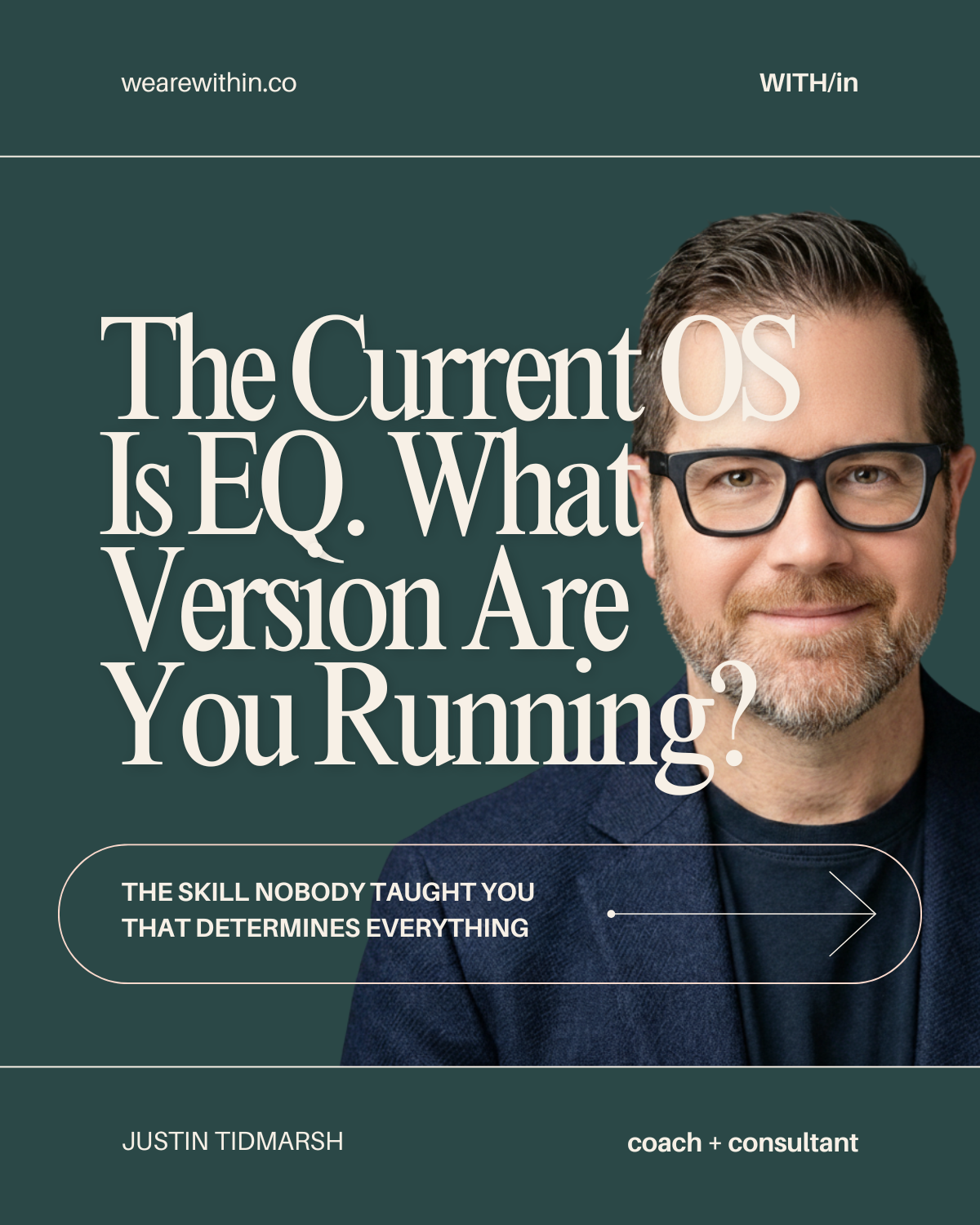
The Skill Nobody Taught You That Determines Everything
The best leaders I have worked with at Nike, Starbucks, Target, and Best Buy share a common thread. It was never that they were the smartest people in the building. It was that they could read a room, regulate themselves under pressure, and make the people around them better. Every time.
That is emotional intelligence. It accounts for 58% of job performance. It is what Anthropic hires for over technical skill. And unlike IQ, it is entirely coachable.
I recently became a certified administrator of the EQ-i 2.0, the gold standard in EQ assessment. This article breaks down what EQ actually is, why it matters more than most leaders realize, and how to stop guessing and start measuring.
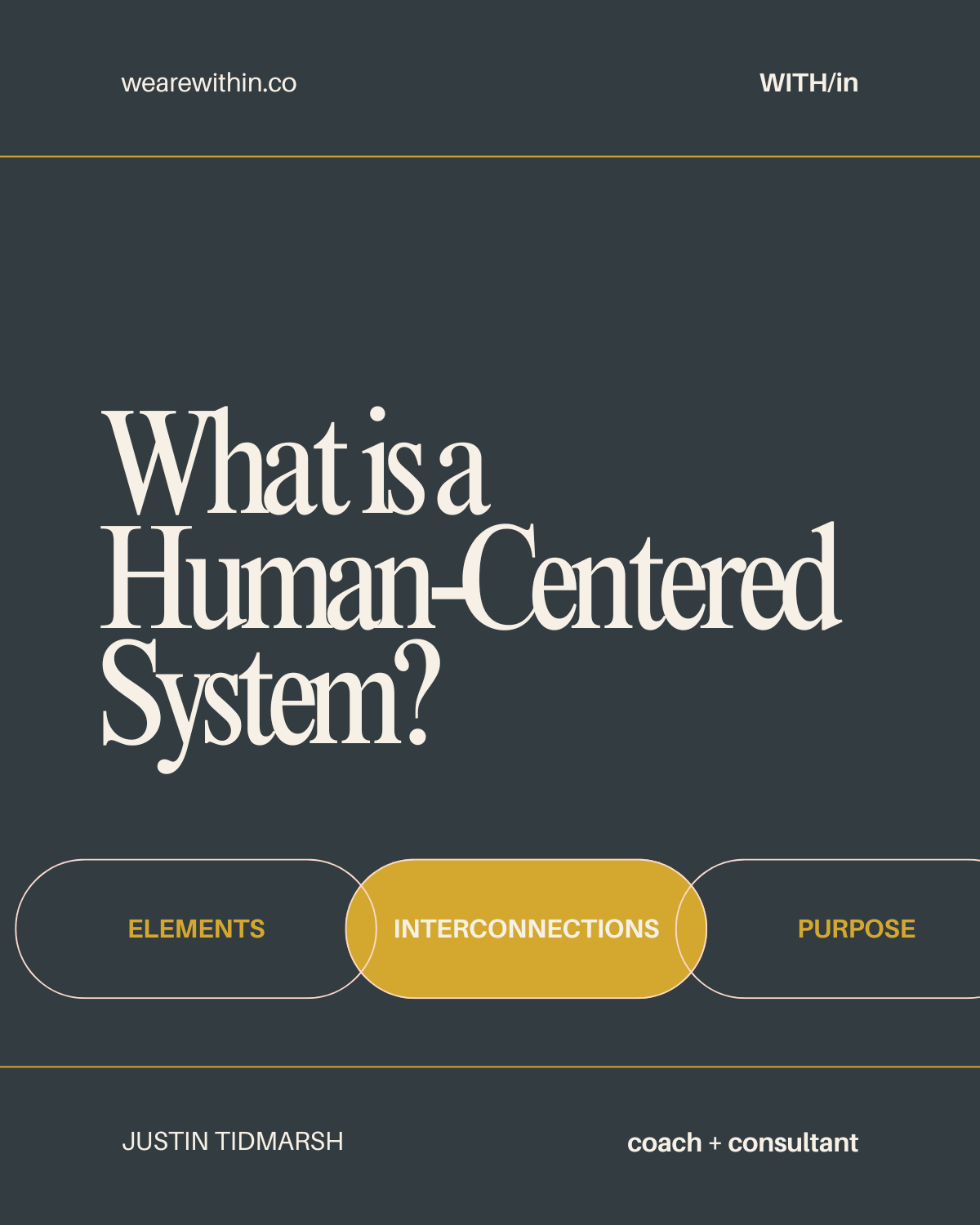
What is a Human-Centered System?
Most leaders aren’t struggling because they lack skill or discipline. They’re struggling because they’re working inside systems they haven’t yet learned to see. When problems repeat, it’s rarely a sign of personal failure. It’s a signal from the architecture underneath the work—a structure that’s producing exactly the behavior it was designed to produce.
Systems Thinking helps leaders uncover those hidden forces. Human-Centered Design helps them understand the lived experience inside that structure. Integrating both reveals a simple truth: sustainable growth happens when organizations design environments that support human behavior instead of working against it.
At WITH/in, we believe ambition and wellbeing can move in the same direction. When leaders learn to read the system, simplify complexity, and intentionally shape how work flows, they create teams that run with clarity instead of strain. They make work feel energizing instead of draining. And they finally break the cycle where burnout becomes the cost of progress.
Introducing a New Playbook for Growth That Starts WITH/in
After 25 years leading growth and marketing for brands like Nike, Starbucks, and Target, I'm thrilled to announce WITH/in.
I've found that the toughest challenges in product, marketing, and sales aren't just about process, they're about a system challenge that includes a crucial mindset component.
WITH/in is a fresh consulting approach focused on building human-centered systems for sustainable growth for the individual, team and organization.
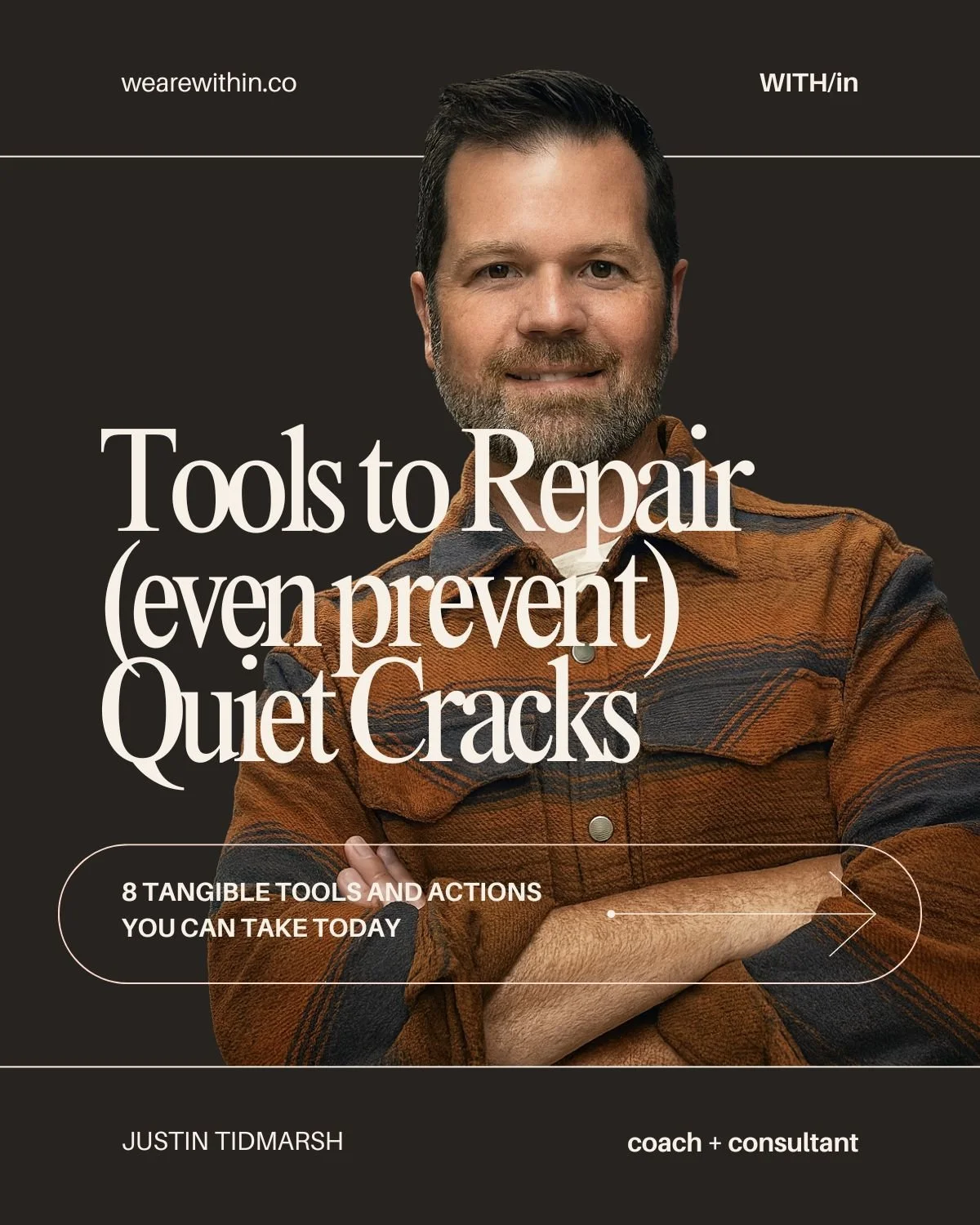
How AI Can Help Leaders Stop Quiet Cracks
Quiet cracks don’t start with a resignation letter. They show up in quieter ways: a Slack thread losing energy, a teammate who goes silent, a meeting that turns into updates instead of connection.
This article explores how AI can give leaders back the one resource modern work has stolen: space. Space to notice, to listen, and to reconnect before cracks widen.
Inside: 8 innovative tools leaders can use to restore trust and resilience in their teams from sentiment pulses to recognition heatmaps and how WITH/in helps pair human-centered leadership with technology that actually sustains growth.

Quiet Cracking Is the New Quiet Quitting (And It’s Far More Dangerous)
Quiet cracking is the silent fracture showing up in today’s workplaces. It’s not a choice like quiet quitting. It’s what happens when constant stress slowly erodes motivation and drive, often hitting high performers the hardest. Left unchecked, it spreads across teams and culture. The good news? Leaders and individuals both have the power to reverse it.

The Truth About Human-Centered Strategy (And Why Most Companies Miss It)
Human-centered strategy is not soft. It’s hard, focused work. It means digging into behavior, decision-making, and context, then building strategy around that. It’s not about making people happy. It’s about making it easy for them to choose you.